




Learn effective Contrast Therapy (Sauna & Cold Plunge) Protocols for recovery and wellness. Real-world insights from expert practitioners in the US.
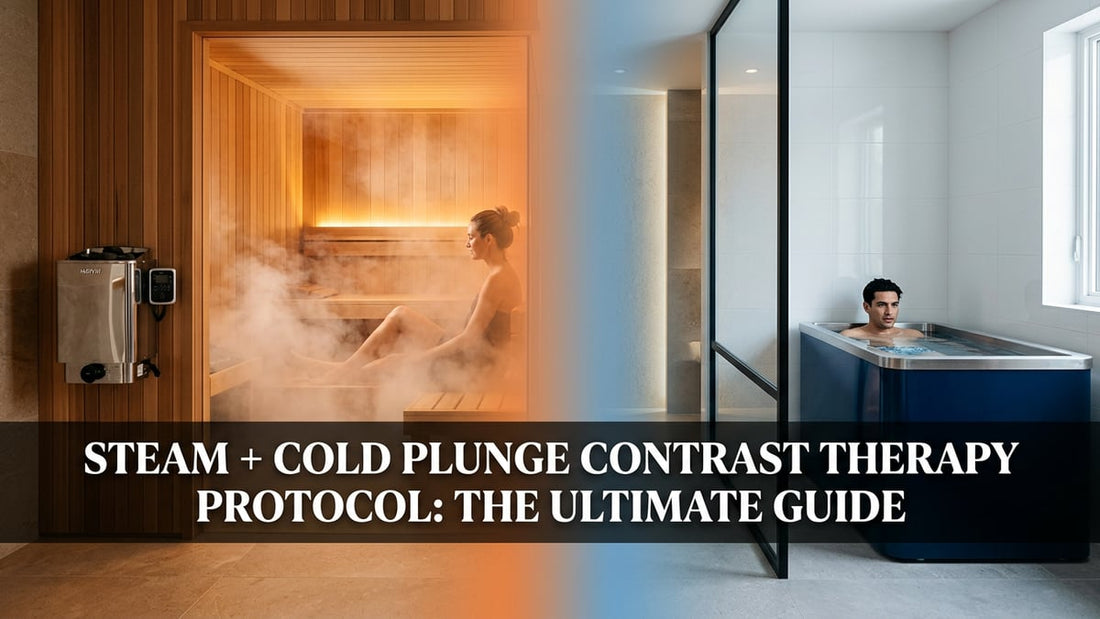
My journey into thermal recovery began over a decade ago, first as an athlete, then as a practitioner guiding others through these powerful modalities. The tangible benefits I’ve witnessed, from improved recovery times to enhanced mental clarity, underscore the efficacy of structured thermal exposure. Understanding and implementing sound Contrast Therapy (Sauna & Cold Plunge) Protocols is key to harnessing these advantages safely and effectively.
Overview:
- Contrast Therapy (Sauna & Cold Plunge) Protocols involve alternating between hot and cold temperatures.
- The practice supports muscle recovery, reduces inflammation, and boosts circulation.
- Proper sequencing and duration are crucial for maximizing physiological benefits.
- Real-world application shows impact on athletic performance and general wellness.
- Safety considerations, including hydration and listening to your body, are paramount.
- Various protocols exist, from beginner-friendly to advanced, adaptable for individual needs.
- Consistency and proper technique yield the most significant long-term results.
Understanding Core Contrast Therapy (Sauna & Cold Plunge) Protocols
Based on years of practical application in facilities across the US, effective Contrast Therapy (Sauna & Cold Plunge) Protocols hinge on a deliberate cycle of heat and cold. This isn’t just about extreme temperatures; it’s about the rapid vasodilation and vasoconstriction that occurs, essentially “pumping” blood through the body. For beginners, a gentle introduction is always best. We often start clients with a sauna session of 10-15 minutes, allowing the body to warm thoroughly and induce a good sweat. The temperature in our saunas typically ranges from 160-190°F (71-88°C).
Following the heat, a cold plunge of 2-3 minutes is recommended. The water temperature should ideally be between 40-50°F (4-10°C). This rapid exposure to cold constricts blood vessels, helping to reduce inflammation and numb pain. It also provides a significant mental challenge, building resilience. The goal is to feel the invigorating chill without pushing to discomfort or shivering uncontrollably. After the cold plunge, a brief rest period of 5-10 minutes is beneficial before repeating the cycle. Most initial sessions involve 2-3 full cycles, with the total time not exceeding 60 minutes. Proper hydration throughout is non-negotiable.
Practical Application and Benefits of Thermal Cycling
The practical application of thermal cycling extends beyond simple recovery; it’s a valuable tool for overall physiological maintenance. Clients frequently report reduced muscle soreness after strenuous workouts, a direct result of the improved circulation and lymphatic drainage. The alternating temperatures help flush metabolic waste products from tissues. Beyond the physical, there’s a profound mental component. The initial shock of the cold plunge demands focus, pulling you into the present moment. This mental fortitude often translates into other areas of life.
Regular practice has been linked to better sleep quality and reduced stress levels. The body learns to adapt to stressors, becoming more resilient. We’ve observed athletes experiencing faster recovery and fewer instances of overuse injuries. For those not training intensely, the benefit is simply a feeling of invigoration and sustained energy. It’s not just about what happens during the session, but how the body responds and adapts afterwards. This adaptation is where the true long-term value lies for many of our participants.
Advanced Contrast Therapy (Sauna & Cold Plunge) Protocols for Performance
For individuals seeking optimized recovery or performance gains, advanced Contrast Therapy (Sauna & Cold Plunge) Protocols can be implemented. Once accustomed to the basic cycles, we often adjust the duration and intensity. For example, sauna sessions might extend to 20-30 minutes, pushing detoxification and heat acclimation further. Cold plunges could extend to 4-5 minutes, with temperatures closer to 38-40°F (3-4°C), emphasizing a deeper physiological response and mental toughness. The number of cycles can also increase to 4-5, depending on the individual’s tolerance and goals.
Timing these advanced sessions is crucial. Many athletes find immediate post-workout contrast therapy highly effective for acute recovery, while others prefer morning sessions for mental clarity and energy. It’s important to periodize these intense protocols, integrating them into a broader training or wellness plan. We often recommend a 3:1 heat-to-cold ratio for duration, such as 15 minutes sauna followed by 5 minutes cold plunge. This ratio, repeated for 3-4 cycles, maximizes circulatory benefits while managing thermal stress. Always consult with a health professional, especially when pushing these limits.
Safety and Best Practices in Contrast Therapy (Sauna & Cold Plunge) Protocols
Adhering to safety guidelines is paramount when engaging in Contrast Therapy (Sauna & Cold Plunge) Protocols. Proper hydration, both before and after sessions, cannot be overstated. Dehydration can exacerbate the effects of heat and cold, leading to dizziness or fatigue. It’s vital to listen to your body and never force yourself beyond comfortable limits. If you feel lightheaded, nauseous, or experience extreme discomfort, exit the sauna or cold plunge immediately. Starting slowly and gradually increasing exposure times is the safest approach.
Individuals with pre-existing medical conditions, such as heart issues, high blood pressure, or neurological disorders, should always consult their doctor before beginning contrast therapy. Pregnant individuals should also seek medical advice. We always advise against consuming alcohol before or during a session, as it can impair judgment and affect cardiovascular response. Using a buddy system, especially for longer or more intense sessions, adds an extra layer of safety. Always ensure facilities are clean and well-maintained. These practices ensure a beneficial and risk-managed experience.


