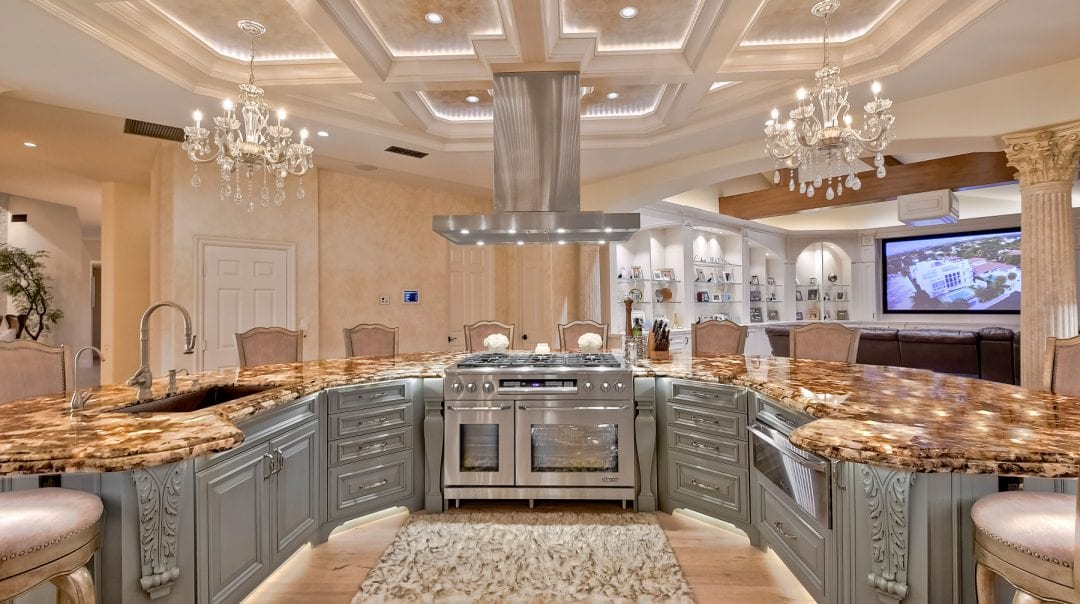




The Integrated Home Technology market is experiencing unprecedented growth, fueled by increasing consumer demand for convenience, security, and energy efficiency. This surge in popularity has transformed how we interact with our homes, turning them into intelligent, responsive environments. From automated lighting and climate control to advanced security systems and entertainment solutions, Integrated Home Technology is rapidly becoming a mainstream feature of modern living.

Key Takeaways:
- The global Integrated Home Technology market is experiencing significant growth driven by factors like increased disposable income, growing awareness of energy conservation, and advancements in IoT technology.
- North America currently holds the largest market share, but the Asia-Pacific region is projected to witness the fastest growth rate in the coming years.
- Key applications driving the market include home security, entertainment, lighting, and HVAC control.
- The future of Integrated Home Technology points toward greater integration with AI and machine learning, leading to even smarter and more personalized home experiences.
Understanding the Global Market Growth of Integrated Home Technology
The global market for Integrated Home Technology is expanding rapidly, and several factors are contributing to this phenomenon. One primary driver is the increasing affordability of smart home devices. As production costs decrease and competition intensifies, a wider range of consumers can now access these technologies. This increased accessibility, coupled with the growing prevalence of high-speed internet and smartphone adoption, creates a fertile ground for market expansion.
Another significant factor is the rising awareness of the benefits of Integrated Home Technology. Consumers are becoming increasingly conscious of the potential for energy savings, enhanced security, and increased convenience offered by these systems. Smart thermostats, for example, can optimize energy consumption based on occupancy patterns, while smart security systems provide remote monitoring and intrusion detection capabilities, giving us peace of mind. The adoption of voice assistants like Amazon Alexa and Google Assistant has also simplified the control and management of integrated home systems, further boosting market growth.
Key Market Drivers Fueling the Growth of Integrated Home Technology
Several key factors are fueling the growth of the Integrated Home Technology market. The aging population is increasingly seeking solutions that enable them to age in place safely and comfortably. Integrated Home Technology can provide features like remote health monitoring, automated medication reminders, and voice-activated controls, enabling seniors to maintain their independence and well-being.
Furthermore, the increasing demand for energy efficiency is driving the adoption of smart home devices. With rising energy costs and growing concerns about climate change, consumers are looking for ways to reduce their carbon footprint and save money on utility bills. Smart lighting systems, smart thermostats, and smart appliances can help optimize energy consumption, leading to significant cost savings over time. The popularity of DIY home automation solutions is also contributing to market growth. These user-friendly systems allow consumers to easily install and configure smart home devices without the need for professional assistance, making Integrated Home Technology more accessible to a wider audience.
Regional Analysis of the Integrated Home Technology Market
The Integrated Home Technology market exhibits diverse regional dynamics. North America currently holds the largest market share, driven by high disposable income, a tech-savvy population, and the presence of major industry players. The United States, in particular, is a major adopter of smart home technologies, with a strong demand for security systems, entertainment solutions, and energy management devices.
Europe is also a significant market for Integrated Home Technology, with Germany, the United Kingdom, and France leading the way. The European market is characterized by a strong focus on energy efficiency and sustainability, driving the adoption of smart thermostats, smart lighting systems, and smart appliances. However, the Asia-Pacific region is projected to witness the fastest growth rate in the coming years. This growth is fueled by rapid urbanization, increasing disposable income, and a growing middle class in countries like China, India, and Japan. The Asia-Pacific market presents significant opportunities for vendors of Integrated Home Technology, but it also requires a deep understanding of local market dynamics and consumer preferences.
The Future Landscape of Integrated Home Technology
The future of Integrated Home Technology is bright, with continuous advancements in technology and evolving consumer needs shaping the market. One key trend is the increasing integration of artificial intelligence (AI) and machine learning (ML) into smart home systems. AI-powered systems can learn user preferences, anticipate needs, and automate tasks, leading to even smarter and more personalized home experiences.
Another important trend is the growing focus on interoperability and open standards. As the number of smart home devices increases, the need for seamless integration between different devices and platforms becomes crucial. Open standards and interoperability protocols will enable consumers to easily connect and control their smart home devices, regardless of the manufacturer or platform. Furthermore, the rise of 5G technology will enable faster and more reliable wireless connectivity, paving the way for more advanced and bandwidth-intensive applications of Integrated Home Technology, such as real-time video surveillance and augmented reality-based home management. The market growth will continue for us.