




Table of Contents
- Define the Purpose of Your Addition
- Set a Realistic Budget
- Understand Local Regulations
- Design for Seamless Integration
- Choose the Right Contractor
- Plan for Logistics and Disruptions
- Monitor Progress and Quality
- Conduct Final Inspections and Enjoy Your New Space
- Conclusion
Expanding your living space with a home addition is one of the most effective ways to enhance both comfort and property value. Whether you are thinking about an extra bedroom, sunroom, or workspace, the right approach can make your project smoother and more rewarding. If you are considering home additions, careful preparation is essential for a successful outcome, ensuring your design and investment match your needs and lifestyle.
Early planning not only helps you clarify your vision but also helps control costs and avoid unnecessary frustrations. From understanding regulations to finding the right professionals, making informed decisions at every step will help your new space blend in without causing stress or exceeding your budget.
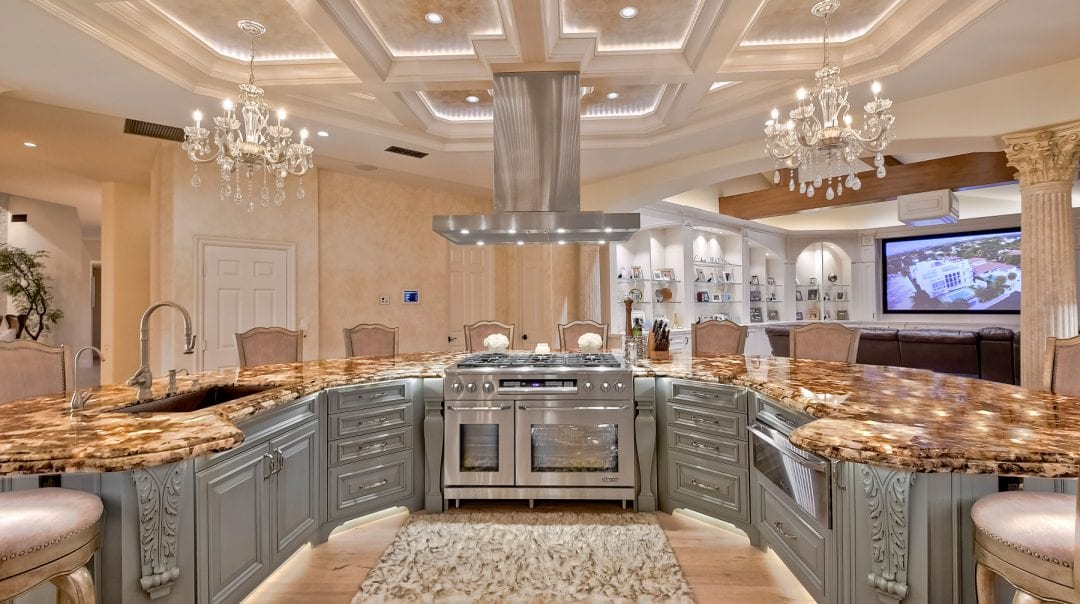
Once you have given thought to the reasons and look of your new addition, it is also worthwhile to consider how upgrades to your current spaces could enhance your home as a whole. Many homeowners find that combining a new space with targeted improvements, such as kitchen remodeling, maximizes both convenience and value.
Define the Purpose of Your Addition
The first and one of the most important steps is to clearly define your goal. Do you need an extra bedroom for a growing family, a larger kitchen for entertaining, or a dedicated workspace for remote work? Outlining the specific challenge or dream you hope to address will help speed up decision-making and prevent costly changes later in the process. A defined purpose guides the overall design and helps prioritize features that matter most to your daily routine.
Set a Realistic Budget
Creating a detailed budget early helps protect finances and avoid surprises. Consider all costs, including materials and labor, permits, and contingencies. Costs vary by project scope and location. Forbes Home states home addition costs range from $21,000 to $70,000, with certain features adding to this. It’s wise to set aside a contingency fund of 10-20% for unforeseen costs. Evaluate financing options, some use savings, others home equity lines or loans. Consulting a financial expert can clarify options and reveal tax benefits. Keep organized records and receipts to aid budget management and boost resale value.
Understand Local Regulations
Before any physical work begins, review your area’s zoning laws, building codes, and permit requirements. Regulations can impact everything from the height of your addition to how close it can be built to your property line. Skipping these steps could require redoing work to meet code or face penalties. Consulting your local building department or working with an experienced design professional can help you avoid missteps.
It is also wise to review homeowner association covenants and neighborhood restrictions, if applicable. Some communities require approval of exterior changes, have specific design standards, or limit the types of materials that can be used. Getting these permissions up front prevents delays and ensures your investment adheres to both legal and community guidelines. If your property is located in a historic district, additional layers of review may apply, and it’s best to engage officials in these discussions early in your design phase.
Design for Seamless Integration
Architectural harmony is crucial to achieving a pleasing, functional result. The new addition should look and feel like a part of the original structure, not an afterthought. Match the rooflines, window styles, and exterior materials to ensure visual continuity. An architect or designer can help you carefully select details that complement your home’s character, increasing curb appeal and long-term value.
Consider the flow between old and new areas. Look for opportunities to enhance lighting, optimize traffic flow, and improve energy efficiency throughout the design. For example, choosing high-performance windows, additional insulation, or energy-efficient HVAC upgrades can improve comfort and lower operating costs over time. Integrating smart home technology, such as lighting controls, security, or climate systems, may also offer convenience and appeal as part of your addition.
Choose the Right Contractor
The expertise and reliability of your contractor have a major impact on your project’s success. Seek recommendations, request portfolios of completed additions, and verify licensing and insurance. Obtain quotes from several professionals, but do not make your choice on price alone. Ask former clients about their experiences and visit finished projects in person if possible. A transparent, reputable builder will answer your questions and help you build with confidence.
Additionally, ensure the contractor has experience with the specific type of addition you need. Review contract terms carefully, especially timelines and payment schedules, and ensure warranty details are clear. Good contractors typically have established relationships with quality suppliers and subcontractors, reducing the risk of costly delays or project management issues.
Plan for Logistics and Disruptions
Any construction project brings a degree of upheaval to your home environment. Construction can generate noise and dust and limit access to certain spaces. Safety precautions for children and pets should be discussed up front. Reviewing expected timelines, milestones, and potential adjustments with your contractor will help you develop temporary workarounds or alternative living arrangements if needed.
Effective communication about daily site access, material deliveries, waste disposal, and parking for construction vehicles helps minimize inconvenience. Ask your builder about the strategies they use to protect existing floors and furnishings, and consider setting up a dedicated entry point for workers to help contain disruption. For larger projects, you might even explore renting a temporary storage unit or staying with family during key phases.
Monitor Progress and Quality
Staying engaged throughout construction is essential. Schedule regular meetings with your contractor and request updates at key stages of the process. Ask questions if anything seems off, and do not hesitate to discuss concerns immediately. Open communication will ensure your project stays on track, meets your quality expectations, and adapts to any unexpected developments.
Photograph the process for your own records and future reference, which can help in identifying issues early. Many homeowners find it helpful to maintain a daily or weekly journal documenting progress and communication, including questions, decisions, and approvals given. This level of organization streamlines dispute resolution and provides useful documentation throughout the process.
Conduct Final Inspections and Enjoy Your New Space
Before signing off on the project, conduct a walkthrough with your contractor to ensure that the specifications, finishes, and local codes are met. Quickly address punch-list items to protect your investment and gain peace of mind. Save all documents, drawings, permits, warranties, receipts, and manuals for future use and resale. Contact your contractor for final adjustments or warranty work in the initial months. Proper planning and management will ensure your home addition provides years of enjoyment and increased value.
Conclusion
A well-planned home addition is an investment that can enhance your living space, improve functionality, and increase your property’s long-term value. By defining your goals, setting a realistic budget, understanding local regulations, working with experienced professionals, and staying involved throughout the project, you can minimize challenges and achieve a seamless result. Careful planning and informed decision-making help ensure your new space meets your needs while providing lasting comfort and enjoyment for years to come.


