






Key Takeaways
- Oral surgery may address problems involving teeth, gums, jawbone, and nearby facial structures.
- A thorough consultation helps patients understand treatment choices, risks, anesthesia, and recovery expectations.
- Fasting, medication, and transportation instructions must be followed exactly when sedation or anesthesia is involved.
- Rest, careful hygiene, approved foods, and timely follow-up support healing after surgery.
- Severe, worsening, or unusual symptoms should be reported to the surgical team promptly.
Oral surgery can feel like a major event, whether you need a wisdom tooth removed, are preparing for dental implants, or have been advised to consider jaw treatment. For patients in Oklahoma City, a clear plan can make the process more manageable from the first consultation through recovery. Meeting with a board-certified oral surgeon in Oklahoma City OK, allows patients to discuss their specific condition, health history, comfort needs, and questions before treatment begins.
Every procedure and recovery is different. Oklahoma’s changing weather, busy family schedules, and long drives from surrounding communities can make preparation especially useful. The most reliable instructions will always come from the surgical team because they are based on the procedure, anesthesia plan, medications, and individual medical needs.
Why Oral Surgery May Be Recommended
Routine dental care can often treat cavities, mild gum concerns, and many tooth restorations. Oral surgery may be recommended when a condition requires a surgical approach, such as an impacted wisdom tooth, a severely damaged tooth, an infection, tooth loss, insufficient jawbone for an implant, advanced gum disease, or bite and jaw alignment problems. The field of oral and maxillofacial surgery includes treatment involving the mouth, jaws, face, and related structures.
A recommendation for surgery does not automatically mean one treatment is right for everyone. A surgeon considers imaging, symptoms, oral health, medical history, treatment goals, and the likely benefits and risks before recommending next steps.
What Happens at the First Consultation
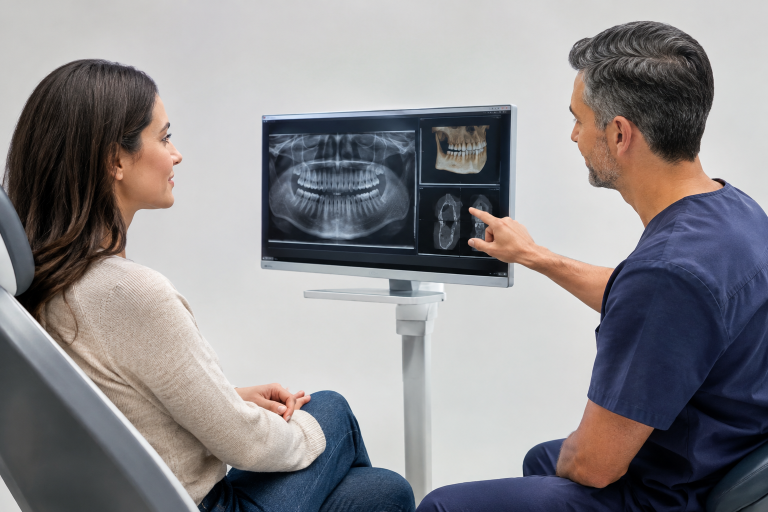
The first visit is designed to turn uncertainty into a practical treatment plan. Patients can expect a conversation about current symptoms, prior dental treatment, medical conditions, allergies, prescription medicines, over-the-counter products, supplements, and previous reactions to anesthesia. X-rays, photographs, or three-dimensional scans may be used when the care team needs a clearer view of tooth roots, bone, nerves, sinuses, or jaw position.
The discussion should also cover alternatives, expected healing, possible complications, costs, and insurance questions where applicable, and the type of anesthesia that may be appropriate. Helpful questions include:
- What problem is this procedure intended to address?
- What should I expect during the appointment?
- Will I need local anesthesia, sedation, or another option?
- When can I return to work, school, exercise, and normal meals?
- Who should I contact if I have concerns after the office is closed?
How to Prepare Before Surgery
Good preparation starts before the day of treatment. Read the written instructions more than once and call the office if anything is unclear. Provide a complete medication list, including vitamins and herbal products. Do not stop or change a prescription unless the clinician managing that medicine tells you to do so.
- Follow the exact eating and drinking instructions provided for your procedure.
- Arrange for a responsible adult to drive you home if sedation is planned.
- Wear comfortable, loose-fitting clothing and avoid unnecessary jewelry.
- Set up a calm recovery area with pillows, water, approved foods, gauze, and cold packs if recommended.
- Plan ahead for transportation, child care, pet care, and physically demanding work.
Fasting instructions vary. They depend on the anesthesia plan and medical circumstances, so general advice from friends or online posts should never replace the directions provided by the surgical team.
Anesthesia and Comfort Options
Comfort options may include local anesthesia to numb one area, oral medication for relaxation, intravenous sedation, or general anesthesia in an appropriate setting. The choice depends on the procedure, health history, age, anxiety level, and clinical judgment. During treatment, patients may notice pressure or movement even when the area is numb, but they should not try to push through sharp pain. Tell the team immediately if you are uncomfortable.
Sedation can affect alertness, memory, coordination, and judgment for several hours. These patients are commonly instructed not to drive, operate machinery, make important decisions, or remain alone immediately after sedated treatment.
What Happens During the Procedure
Most appointments follow a familiar sequence: check-in, review of health information, anesthesia, treatment, monitoring, and discharge instructions. A simple extraction may take less time than a procedure involving implants, bone grafting, multiple teeth, or jaw surgery. In some cases, the treatment plan may need to be adjusted if the surgeon finds an infection, damaged bone, or another issue not fully visible beforehand.
Before leaving, patients should know how to manage bleeding, medications, food, hygiene, activity limits, and follow-up visits. Ask for clarification before going home rather than guessing later.
The First 24 Hours After Oral Surgery
Rest is usually helpful on the day of surgery. Mild bleeding or oozing, soreness, and swelling can occur after many oral procedures. Follow instructions about biting on gauze, using cold packs, drinking fluids, and taking prescribed or recommended medicine. Choose soft foods that do not require vigorous chewing.
Quick Do and Avoid List
- Do: Rest, drink fluids, take medication as directed, and keep follow-up instructions close by.
- Do: Use gentle pressure with gauze, as instructed, for bleeding control.
- Avoid: Straws, smoking, alcohol, heavy lifting, and strenuous exercise until the surgical team says they are safe.
- Avoid touching or repeatedly checking the surgical area with your fingers or tongue.
Recovery During the Next Several Days
Swelling may change during the first few days before it begins to improve. Recovery can vary based on the procedure, its complexity, age, overall health, tobacco use, and how closely aftercare instructions are followed. Patients generally return to brushing, regular meals, work, and exercise in stages, based on comfort and the surgeon’s directions.
Follow-up care may involve checking healing, removing sutures, reviewing implant planning, or addressing questions about ongoing symptoms. Guidance on preparing for oral surgery and recovery can help patients understand why a careful plan for home care and follow-up matters.
When to Call the Surgical Team
Contact the office if bleeding does not improve with the instructed pressure, pain becomes severe or worsens rather than easing, swelling continues to increase beyond the expected early recovery period, or you develop fever, chills, pus, foul drainage, or a spreading bad taste. New or persistent numbness also deserves a call.
Breathing trouble, difficulty swallowing, or signs of a serious medication reaction require urgent medical attention. General guidance cannot replace direct medical advice for symptoms that feel severe, unusual, or concerning.
Food, Hygiene, and Everyday Life While Healing
Soft, cool, or lukewarm foods may be more comfortable early in recovery. Hard, sharp, spicy, or very hot foods can irritate a healing area. Keep the mouth clean according to the instructions you received, using gentle brushing and rinsing only when advised. Sleeping with the head elevated may be recommended after some procedures, while exercise and physical work may need to wait.
Common Questions
Will oral surgery hurt?
Anesthesia is used to control pain during treatment. Soreness can develop after numbness fades, and the care team will provide directions for managing it safely.
How long does recovery take?
Some procedures allow a quicker return to routine, while more involved surgery can require a longer healing period. Your surgeon can provide the most relevant estimate.
Can I go back to work the next day?
Desk work may be possible sooner than physical labor for some patients, but the effects of sedation, discomfort, swelling, and activity restrictions all matter.
Build a Simple Recovery Plan
Save the surgical team’s phone number, write down medication times, keep approved foods and water within reach, and arrange help at home if needed. Set reminders for follow-up appointments, then focus on steady recovery rather than checking the surgical site too often. A prepared patient is better positioned to rest, recognize concerns early, and follow the plan that supports safe healing.


