





Key Takeaways
- Preparing access routes and work areas helps tree crews work more safely and efficiently.
- Vehicles, furniture, toys, tools, and other movable items should be removed from the planned work zone.
- Children, pets, visitors, and neighbors should remain outside active cutting, chipping, loading, and stump-grinding areas.
- Overhead wires, irrigation equipment, gates, pools, landscaping, and other site features should be identified before work begins.
- Storm-damaged, leaning, or wire-adjacent trees should not be cut by untrained property owners.
Tree work can involve far more than trimming a few branches. In Winter Park, Florida, mature shade trees, narrow side yards, driveways, pools, garden beds, and changing weather can all affect how a job is planned. Preparing your property before a crew arrives gives everyone more room to work and helps prevent avoidable delays.
Whether you need pruning, removal, storm cleanup, or stump grinding, arranging Winter Park tree service begins with clear communication about the property. Homeowners do not need to perform technical tree work themselves. Their role is to provide access, point out concerns, protect household members, and keep the work area clear.
Why Preparation Matters Before Tree Work
Tree crews may use trucks, ropes, chainsaws, chippers, aerial equipment, and stump grinders. They also need space for their lower limbs to move the brush, load logs, and maintain a controlled drop zone. A blocked driveway or crowded backyard can change the equipment plan, slow cleanup, or limit the safest available approach.
Good preparation is especially useful on Winter Park properties where fences, mature landscaping, and outdoor living spaces are close to the trees being serviced. Before the job, make sure the crew knows where access is limited and where materials should not be placed.
Inspect the Property Before the Crew Arrives
Take a walk around the property a day or two before the scheduled appointment. Look beyond the tree itself. Consider the route from the street or driveway to the work area, as well as anything that could be affected by falling debris or equipment movement.
- Check gates, sidewalks, side yards, and other narrow access points.
- Note low rooflines, pool enclosures, sheds, fences, and decorative lighting.
- Identify irrigation heads, garden borders, statues, pavers, and fragile plants.
- Point out locations where brush, logs, or wood chips should not be set down.
- Take photos of sensitive areas or existing conditions if that will help guide the discussion.
Clear Access Paths and Work Areas
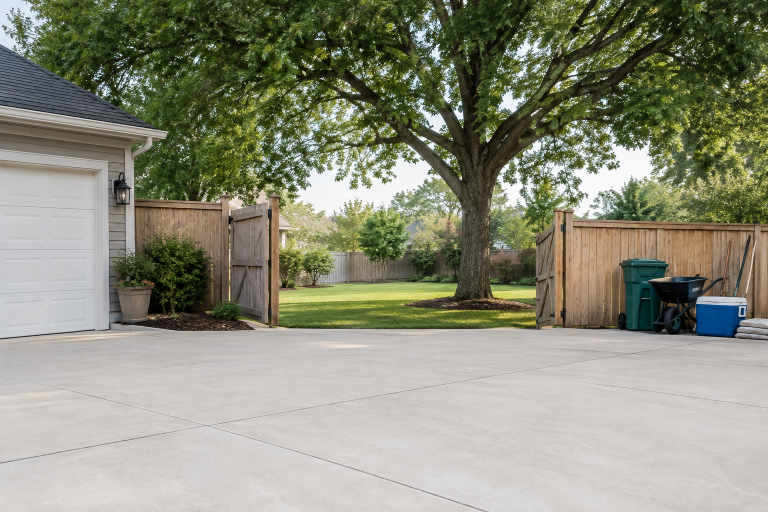
Clear space is needed both below the tree and along the route that workers and equipment will use. Move vehicles from the driveway if it is expected to serve as a staging area. Open gates when appropriate, and make sure access paths are free of hoses, planters, loose branches, toys, and lawn tools.
Items Worth Moving Before the Job
- Cars, trailers, motorcycles, bicycles, and golf carts
- Patio tables, umbrellas, chairs, grills, and fire pits
- Children’s toys, sports gear, and portable play equipment
- Garden tools, hoses, potted plants, and storage bins
- Temporary decorations and items stored beside fences or sheds
Protect Children, Pets, and Neighbors
Active tree work is not a spectator event. Falling limbs, moving equipment, loud machinery, and flying debris can create hazards even when the work appears routine. Keep children indoors or away from the property, and secure pets inside the home or at another safe location. Close gates so animals cannot enter the work zone unexpectedly.
Safe-distance guidance for chainsaw work emphasizes keeping bystanders away from cutting activities and using trained operators for hazardous tasks. Let nearby neighbors know if trucks may affect street access, noise may be noticeable, or a shared fence line is close to the work area.
Identify Utilities and Site Hazards
Point out every visible overhead line, including service wires running from a utility pole to the home. Never assume a line is safe because it is partly hidden by branches or appears inactive. Trees near electrical lines require careful planning, and homeowners should not use ladders, poles, or cutting tools near those lines.
Tell the crew about buried irrigation, landscape wiring, drainage components, septic features, or other underground systems before stump grinding or digging begins. Site surveys are important because trees may also have cracked limbs, hidden decay, wet ground, heavy lean, or storm damage. Effective tree-service safety planning includes identifying hazards, establishing work zones, and adjusting for weather conditions before cutting starts.
Protect Driveways, Landscaping, and Outdoor Features
Discuss property protection before the first cut. Ask where the equipment will park, where logs and brush will go, whether the crew needs to cross lawn areas, and what cleanup is included. Make sure they know about delicate garden beds, retaining walls, pavers, pool equipment, outdoor kitchens, and newly installed landscaping.
If a gate, fence, or pool enclosure needs special handling, mention it during the estimate rather than on the day of service. Clear expectations allow the crew to plan the safest route for equipment and debris.
Plan Around Florida Weather and Changing Conditions
Rain, lightning, high winds, saturated soil, and extreme heat can all affect tree work in Central Florida. Wet grass or soft ground may change where equipment can travel. Wind can change how branches move, while lightning and storms make outdoor work unsafe. A weather delay may be inconvenient, but it is often the safer decision.
Confirm the appointment shortly before the scheduled date, especially during periods of unsettled weather. After a storm, stay away from hanging limbs, split branches, leaning trunks, and downed or tangled wires until a qualified professional evaluates the situation.
Questions to Ask Before Work Begins
- Which areas should be cleared before the crew arrives?
- Where will trucks, chippers, and other equipment be positioned?
- How will gates, landscaping, and nearby structures be protected?
- What should happen to wood, brush, and wood chips?
- Is stump grinding included, and are underground features a concern?
- What areas must remain off-limits during the work?
- What weather conditions could require rescheduling?
Simple Pre-Work Checklist
- Move vehicles and clear the driveway or designated staging area.
- Remove loose outdoor items from access paths and beneath the tree.
- Secure children and pets away from the job site.
- Identify wires, irrigation components, lights, fences, and fragile landscaping.
- Confirm the work scope, debris plan, and cleanup expectations.
- Keep visitors and neighbors outside the marked work zone.
Frequently Asked Questions
Should homeowners stay home during tree work?
They may, but they should remain indoors or outside the active work area unless the crew needs a question answered. Leaving can be convenient when the job involves large equipment, substantial noise, or limited space.
Can pets remain in the backyard?
No. Pets can become frightened by noise or unfamiliar people and may run into an unsafe area. Keep them indoors or arrange another secure location until work and cleanup are complete.
Should I cut branches before the crew arrives?
Do not attempt to cut near roofs, power lines, roads, unstable trees, or storm-damaged limbs. Clearing movable objects is helpful, but technical cutting and climbing should be left to trained workers.
Final Thoughts
Preparing a Winter Park property for tree work does not require specialized equipment or tree-care skills. Clear access, protect people and pets, identify sensitive features, and discuss concerns before work begins. Those simple steps help create a more orderly job site and give the crew the space and information needed to work safely.